A cast stone fireplace has become one of the most sought-after architectural features for homeowners looking to elevate the elegance, warmth and character of their interiors. Timeless in style yet versatile in design, cast stone continues to be a preferred material among designers, architects and builders who want the look of natural stone without the limitations or cost associated with quarry-cut stone. Whether the home style is traditional, transitional or modern, a cast stone fireplace adds an artistic statement and functional comfort that lasts for generations.
This article explores what makes cast stone unique, why it is ideal for fireplace surrounds, the design possibilities available, and the long-term value it adds to any residential or commercial space.
What Is a Cast Stone Fireplace?
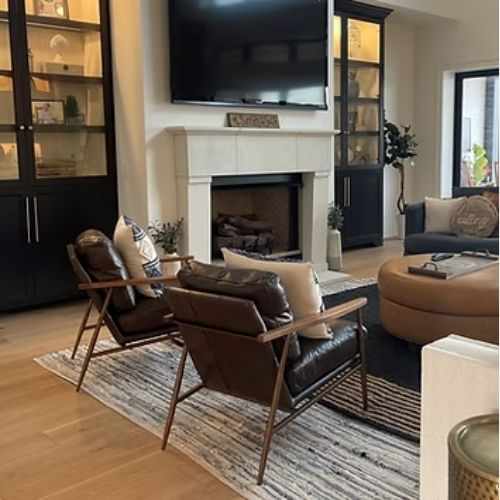
A cast stone fireplace is crafted from a refined mix of natural aggregates, cement, pigments and specialized additives that mimic the appearance and texture of natural limestone or sandstone. Unlike natural stone blocks that require cutting and shaping, cast stone is created using precision molds. This allows for exceptional detail, consistency and customization.
Cast stone has been used for centuries in historic architecture, including grand estates, government buildings and classical monuments. Today, its durability and sculptural beauty make it a favorite for luxury homes, boutique hotels and upscale commercial interiors.
Why Cast Stone Is Ideal for Fireplace Surrounds
1. Elegant Appearance
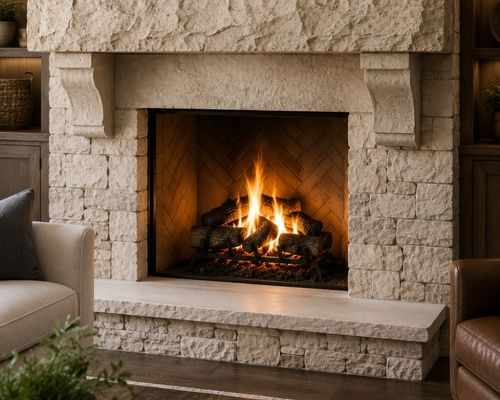
Cast stone replicates the rich, organic textures of natural stone. The subtle veining, soft color tones and handcrafted finish give a cast stone fireplace a high-end look that enhances any room’s aesthetic. From rustic limestone to smooth contemporary finishes, cast stone offers unmatched design versatility.
2. Customizable Designs
One of the biggest advantages of cast stone is its flexibility. Because it is molded, homeowners and designers can create intricate profiles, bold geometries or fine classical details that may be impossible—or extremely expensive—to achieve with natural stone.
Customers can choose:
Traditional carved mantels
Minimalist linear surrounds
Old-world European designs
Over-mantel extensions
Decorative corbels and legs
Custom shapes, curves and patterns
Every cast stone fireplace can be personalized to match the architecture of the home.
3. Durability and Performance
Cast stone is engineered for strength and longevity. It resists heat, cracking, fading and everyday wear. Inside or outside the home, it maintains its appearance for decades.
Its durability also makes it suitable for:
Wood-burning fireplaces
Gas fireplaces
Electric fireplace surrounds
Outdoor fire features
Unlike wood or manufactured materials, cast stone will not warp or deteriorate over time.
4. Cost-Effective Luxury
While natural stone fireplaces are beautiful, they are often expensive due to quarrying, transportation, carving and installation costs. Cast stone offers a more economical option without compromising on appearance or quality.
Homeowners gain the look of premium stonework at a fraction of the cost, making it an excellent choice for new builds or renovations.
Design Styles That Complement a Cast Stone Fireplace
A cast stone fireplace adapts effortlessly to different interior themes. Its versatility allows it to function as a subtle architectural detail or a bold, dramatic centerpiece.
Classic and Traditional
For homes with timeless architecture, cast stone can be molded into decorative mantels with:
Intricate carvings
Crown molding profiles
Fluted legs
Ornamental keystones
Regal over-mantels
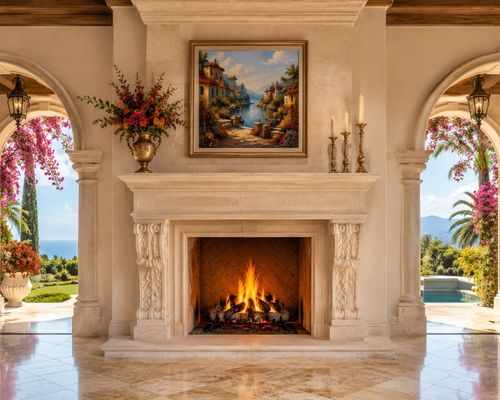
These elements create a sense of grandeur reminiscent of European chateaux and historic estates.
Modern and Minimalist
In contemporary spaces, clean lines and smooth surfaces define the design. Cast stone can be formed into:
Linear surrounds
Slim mantels
Full-wall designs
Seamless monolithic pieces
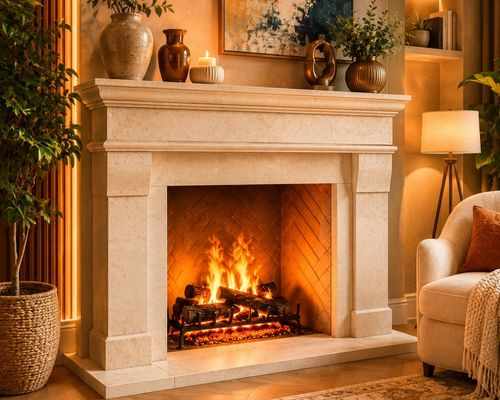
These styles complement modern interiors with understated elegance.
Transitional
Transitional design blends classic shapes with modern simplicity. A cast stone fireplace in this style often features:
Gentle curves
Soft edges
Simplified details
It offers sophistication without overpowering the room.
Outdoor Living Areas
Cast stone is also ideal for:
Outdoor fireplaces
Fire pits
Patio fire features
Its resistance to weather and temperature changes ensures long-lasting beauty outdoors.
How a Cast Stone Fireplace Enhances Your Home
Homeowners invest in cast stone fireplaces not just for aesthetics but for the lifestyle benefits they bring.
Adds a Strong Architectural Focal Point
Every great room or living area benefits from a central feature. A cast stone fireplace instantly becomes the heart of the home—ideal for entertainment, relaxation or quiet evenings by the fire.
Increases Property Value
Luxury features like stone fireplaces significantly increase resale value. Real estate experts note that fireplaces rank among the top features buyers look for in a high-end home.
Improves Ambiance
Beyond its physical beauty, the warmth and glow of a fireplace create a cozy, inviting atmosphere. Whether rustic or contemporary, a cast stone fireplace enhances the emotional comfort of the space.
Maintenance and Longevity
One of the most appealing aspects of a cast stone fireplace is its minimal maintenance requirements. With occasional dusting and gentle cleaning, the surface maintains its original appearance for years.
Tips for maintenance include:
Use mild, non-acidic cleaners
Avoid abrasive brushes or chemicals
Keep the hearth area free of soot buildup
Inspect for any minor cracks every few years
Proper care ensures your investment remains stunning for decades.
Installation Considerations
To ensure a flawless result, cast stone fireplaces should always be installed by professionals familiar with stonework and architectural elements. Correct anchoring, leveling and joint finishing are essential for both safety and appearance.
Because cast stone is lighter than natural stone, installation is often faster and more budget-friendly.
Why Homeowners Prefer Cast Stone Today
The growing demand for cast stone fireplaces reflects the shift toward timeless, durable and customizable home features. As design trends evolve, cast stone has proven its ability to complement everything from rustic farmhouse interiors to sleek contemporary lofts.
Its combination of beauty, strength, affordability and design freedom makes it one of the most attractive fireplace materials available today.
Final Thoughts
A cast stone fireplace is more than just a heat source—it is a work of architectural art that transforms a room into a sophisticated and welcoming environment. With endless customization options, long-lasting durability and a natural stone appearance, cast stone remains the ideal choice for homeowners seeking a blend of luxury and practicality.
Whether you are designing a new home or renovating an existing one, adding a cast stone fireplace ensures your space feels timeless, elegant and uniquely yours.


Write a comment ...